Welcome to PetMotion Veterinary Rehabilitation Centers!
Your pet deserves a Nampa Veterinary Hospital that goes beyond treating symptoms. They deserve a plan built specifically for them. PetMotion Veterinary Rehabilitation Centers is Nampa’s dedicated rehabilitation and integrative medicine practice, founded by Dr. Megan LeFave, DVM, CCRT, cVMA, with one clear purpose: helping companion animals move better, hurt less, and enjoy life again.
As a trusted veterinary hospital, this practice combines specialized training with personalized, evidence-based treatment options to address pain, mobility loss, and recovery. Pet owners across the Treasure Valley choose this veterinary clinic because the team genuinely invests in every patient’s long-term well-being, and it shows in the results.
Why Choose Us
Meet the Doctor
Dr. Megan LeFave, DVM, CCRT, cVMA, is the owner and lead veterinarian at this Nampa practice, bringing years of specialized experience in rehabilitation medicine, Medical Acupuncture, and Traditional Chinese Veterinary Medicine. After graduating from veterinary school, she worked at WestVet from 2017 to 2020, serving as both a Canine Rehabilitation Veterinarian and an Emergency Veterinarian, a combination that gave her a uniquely well-rounded perspective on injury, recovery, and pain management.
In 2023, she founded PetMotion Veterinary Rehabilitation Centers with a clear purpose: to bring advanced veterinary rehabilitation to the Treasure Valley community. Her approach blends the best of modern medical science with proven integrative therapies, and her genuine passion for helping pets live pain-free lives comes through in every consultation. Dr. LeFave’s animal handling skills, compassionate communication style, and deep commitment to her patients make her one of the most trusted rehabilitation veterinarians in the region.
Meet the Team
Rehabilitation Medicine
Veterinary rehabilitation medicine, focuses on restoring, maintaining, and promoting mobility and quality of life for animals, particularly those recovering from injury, surgery, or managing chronic conditions. It involves a variety of techniques and therapies aimed at reducing pain, improving mobility, and enhancing overall well-being.
Integrative Therapies
Integrative therapies such as laser therapy, shockwave, pulsed electromagnetic field therapy and ultrasound therapy are non-invasive, drug-free therapies that work by stimulating the body’s own natural healing processes. They are often used alongside exercise therapy, massage, hydrotherapy, and other rehabilitation techniques to reduce pain, improve mobility, and speed recovery.
Exercise Plans
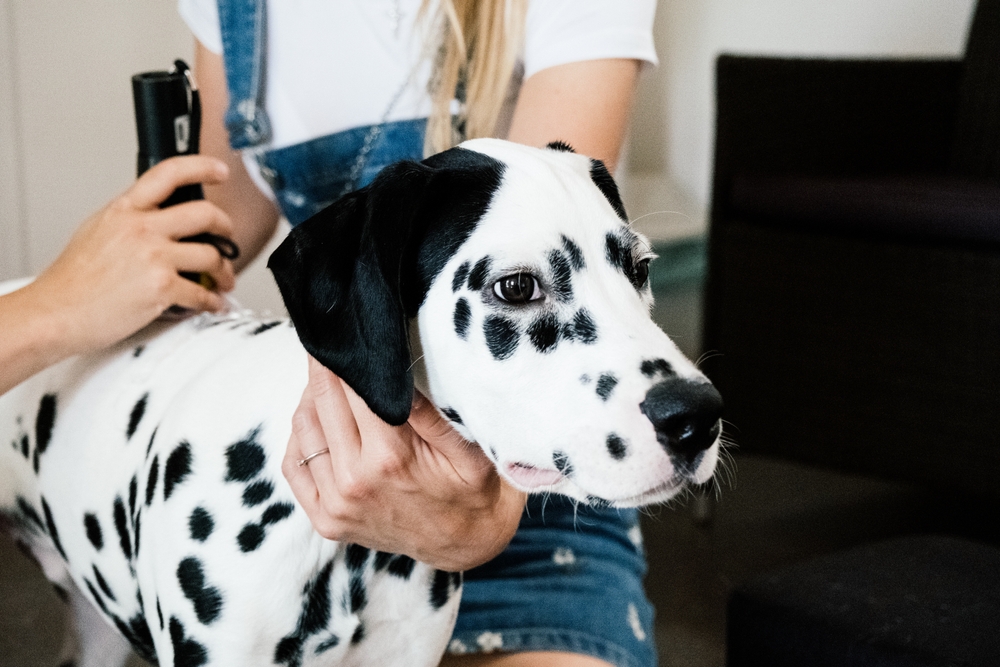
Individual exercise plans are used to help pets recover from injuries, manage pain, and improve mobility. Just like in people, physical therapy for pets focuses on restoring strength, flexibility, balance, and comfort.
Medical Acupuncture
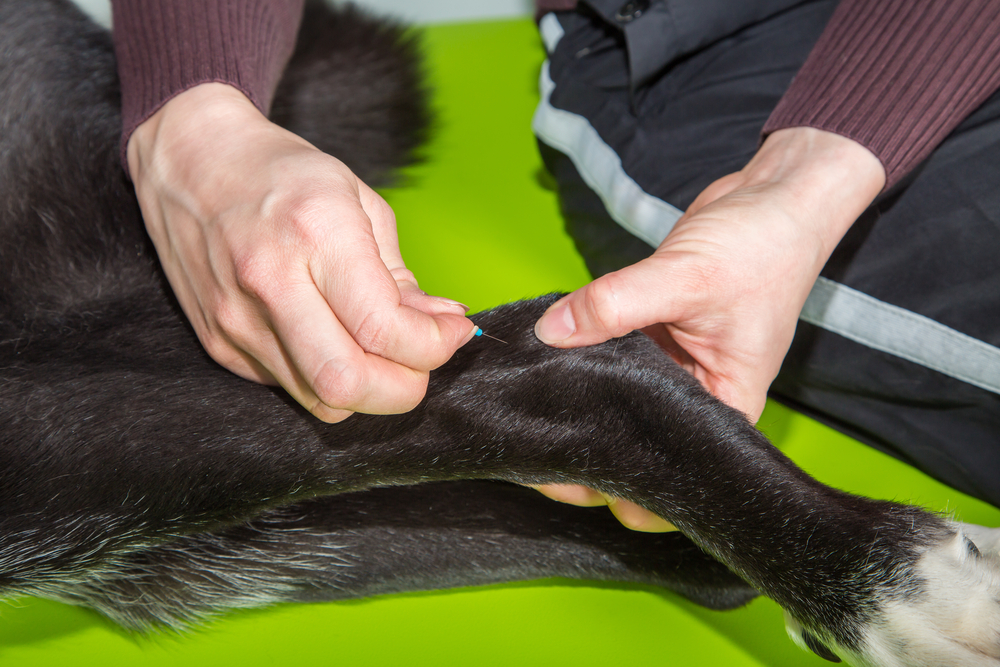
Animal medical acupuncture is the use of fine, sterile needles placed at specific points on the body to promote healing, reduce pain, and restore balance in the nervous and musculoskeletal systems. It is performed by specially trained veterinarians who understand both traditional acupuncture points and modern medical science.
Herbal Medicine
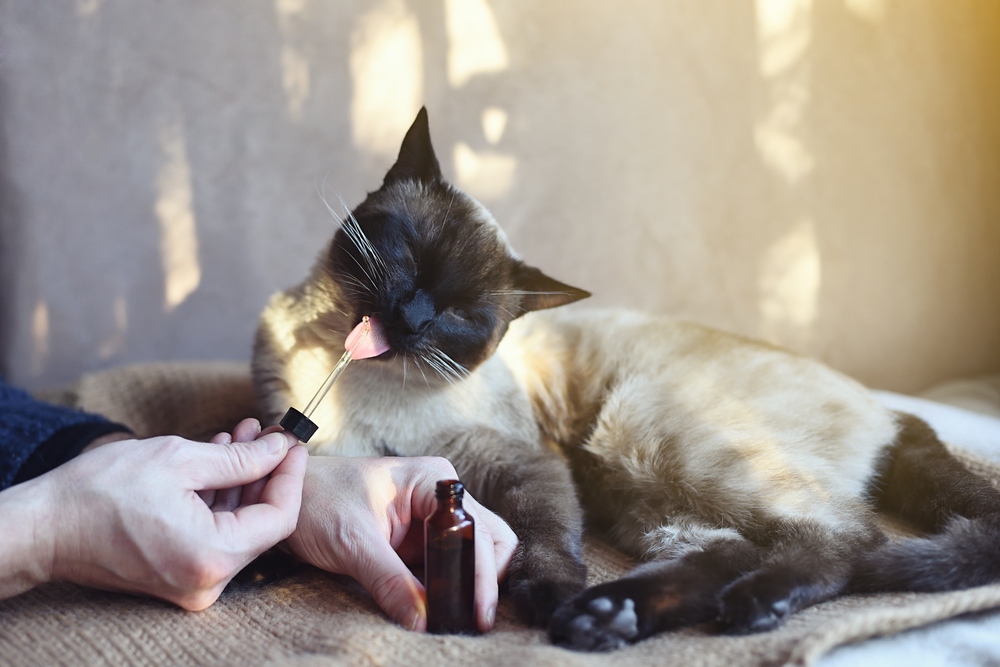
The increasing popularity of Chinese Herbal Medicine lies in the fact that it is an all-natural treatment option that is generally safe and effective when prescribed correctly. An extensive body of clinical research has shown CHM to be extremely effective in treating chronic veterinary medical issues.
At PetMotion we prescribe Chinese Herbs to help manage chronic arthritis pain, improve muscle tension, aid in soft tissue healing and improve neurologic disease.
Rehabilitation Medicine That Helps Your Pet Recover and Thrive
Rehabilitation medicine focuses on restoring mobility, reducing pain, and improving your pet’s overall quality of life. Whether your animal is recovering from surgery, healing from an injury, or managing a chronic condition, this approach targets the root of movement problems rather than masking symptoms.
At PetMotion Veterinary Rehabilitation Centers, we tailor each plan to your pet’s specific needs. Our team uses a range of hands-on therapies and movement-based techniques to help animals regain strength and confidence at their own pace.
What Happens When Pets Lose Mobility
Pain and limited movement affect far more than your pet’s physical health. Animals that struggle to walk, climb stairs, or play often become withdrawn, anxious, or less engaged with the people they love. Acting early makes a real difference in outcomes.
- Chronic pain can change your pet’s personality and behavior over time
- Muscle loss happens fast when animals stop moving regularly
- Early rehabilitation slows the progression of joint disease
- Pets recovering from surgery heal faster with structured movement therapy
- Addressing mobility problems now prevents more serious issues later
How Nampa Vet Rehabilitation Care Works
A nampa vet rehabilitation plan begins with a full physical evaluation. We assess how your pet moves, where they favor certain limbs, and how their muscles and joints respond to controlled movement. From there, we build a step-by-step plan that grows with your pet’s progress.
- Manual therapy to release tight muscles and restore range of motion
- Hydrotherapy to build strength without straining injured tissue
- Therapeutic exercises designed for your pet’s size and condition
- Laser therapy to reduce inflammation at the cellular level
- Home exercise guidance so progress continues between visits
Rehabilitation medicine is not just for recovery. Many pets benefit from ongoing sessions that maintain the gains they have already made. Regular movement therapy keeps joints flexible, supports healthy weight, and helps aging animals stay active longer.
What Integrative Therapies Actually Do for Your Pet’s Recovery
Most people think healing just takes time. The truth is, the right therapies during recovery actively change how your pet’s body repairs itself. Integrative therapies are non-invasive, drug-free treatments that trigger the body’s own natural healing responses: targeting inflammation, damaged tissue, and chronic pain at the source.
Our vet in Nampa combines these treatments with exercise, massage, and hydrotherapy to build a recovery plan that works on multiple levels at once. Each therapy plays a specific role, and together they move your pet toward comfort and mobility faster than rest alone ever could.
How Each Treatment Targets a Different Part of Healing
Not all injuries respond to the same approach. That’s why we use several evidence-based therapies, each designed to reach tissue at different depths and stages of healing. Knowing what each one does helps you understand why your rehabilitation plan is built the way it is.
- Class IV therapeutic laser uses concentrated light energy to reduce inflammation and speed cell repair deep in tissue
- PulseVet Shockwave sends acoustic pulses into tendons, ligaments, and bone to stimulate regeneration
- Pulsed Electromagnetic Field Therapy applies low-level energy waves to calm swelling and ease persistent pain
- Ultrasound therapy warms deep muscle tissue to prepare it for hands-on rehabilitation work
- Each treatment is chosen based on your pet’s specific injury and recovery stage
The Difference These Therapies Make in Real Recovery Outcomes
Pets that receive integrative care alongside physical rehabilitation consistently show faster progress than those relying on rest and medication alone. Reduced pain means your animal moves more willingly, which accelerates the rebuilding of strength and normal movement patterns.
- Post-surgical patients often begin laser therapy as early as day one to limit swelling
- Shockwave treatment reduces the need for long-term pain medication in many cases
- PEMF therapy supports healing in animals with conditions that don’t respond well to drugs
- Owners frequently notice improved comfort and energy within the first few sessions
Recovery isn’t just about treating an injury. It’s about creating the conditions where healing can actually happen. At PetMotion Veterinary Rehabilitation Centers, we look at how your pet moves, compensates, and responds to treatment so we can adjust the plan as progress unfolds.
How Exercise Plans Help Pets Rebuild Strength After Injury
When a pet gets hurt or comes out of surgery, the road back to normal movement doesn’t happen on its own. Structured exercise plans guide that process: rebuilding strength, restoring flexibility, and retraining balance in a way that’s safe and deliberate.
Every plan we create is built around your pet’s specific condition, size, and recovery stage. Nothing is generic. We look at how your animal moves, where they compensate, and what their body is ready for before adding any new challenge to their routine.
Addressing the Muscle Loss That Happens During Recovery
One of the most overlooked parts of healing is what happens to muscle while an animal is resting. Pets lose strength quickly when they stop moving, and that weakness often outlasts the original injury. A targeted exercise plan made by a reputable vet in Nampa rebuilds what was lost before it becomes a long-term problem.
- Controlled walking exercises restore normal gait patterns early in recovery
- Targeted strength movements rebuild specific muscle groups affected by injury or surgery
- Balance and coordination work helps pets regain body awareness they may have lost
- Gradual progression prevents re-injury while still challenging the body to adapt
- Each exercise is introduced only when your pet’s body is ready for it
Why a Personalized Plan Outperforms Generic Home Rest
Rest has its place, but it’s rarely enough on its own. An exercise plan does something rest simply cannot. It actively rebuilds the function your pet needs to move comfortably again. Generic activity restrictions don’t account for the specific muscles, joints, or movement patterns your individual animal needs to address.
- Plans are adjusted at every visit based on real progress
- Exercises target the exact areas where your pet shows weakness or stiffness
- Home exercise guidance extends the benefit of each clinic session
- Owners learn how to support their pet’s recovery between visits
- Consistent, structured movement produces faster results than unguided activity
A well-built exercise plan gives your pet the best chance at a full, active life; whether they’re recovering from something acute or simply aging with more grace than they would without support.
Medical Acupuncture and What It Can Do for Your Pet
Medical acupuncture isn’t a wellness trend. It’s a clinically informed therapy that works by stimulating specific points on your pet’s body to trigger measurable physical responses. Thin needles are placed at targeted locations to activate nerves, muscles, and connective tissue, prompting the body to modulate pain, calm inflammation, and support its own healing process.
We use medical acupuncture as part of a broader rehabilitation plan, pairing it with exercise therapy and other hands-on techniques. For pets dealing with chronic pain, nerve damage, or slow surgical recovery, it adds a layer of support that other treatments alone may not reach.
The Science Behind Why Acupuncture Works on Animals
Some pet owners are surprised to learn that acupuncture has a strong physiological basis. It’s not about energy fields or philosophy. It’s about how needle placement influences the nervous system and tissue response. An acupuncture session with a professional Nampa vet targets points where nerves and muscle fibers converge, producing real, trackable changes in how your pet’s body functions.
- Needle stimulation prompts the release of natural pain-relieving compounds in the body
- Targeted points reduce localized inflammation in muscles and joints
- Nerve activation improves communication between the brain and affected tissue
- Connective tissue stimulation supports circulation and cellular repair
- Effects are cumulative; most pets respond more fully with each successive session
Conditions That Respond Well to Medical Acupuncture
Medical acupuncture is particularly effective for pets whose symptoms haven’t fully resolved through medication or rest alone. Nerve pain, muscle tension, joint stiffness, and post-surgical discomfort are among the conditions that respond most consistently to this approach.
- Arthritis and degenerative joint disease affecting mobility
- Intervertebral disc disease and other spinal conditions
- Chronic soft tissue pain that lingers after an injury heals
- Neurological conditions causing weakness or coordination problems
- Post-operative discomfort that limits participation in exercise therapy
At PetMotion Veterinary Rehabilitation Centers, medical acupuncture is never used in isolation. It works best when it’s one part of a coordinated plan that addresses how your pet moves, compensates, and rebuilds strength over time. Acupuncture prepares the body to respond better to the other therapies that follow each session.
A Natural Approach to Chronic Conditions Through Herbal Medicine
When a pet’s condition isn’t going away, the treatment plan needs to reflect that reality. Chinese Herbal Medicine offers a clinically supported, all-natural option for managing chronic veterinary issues; one that works with your pet’s biology rather than against it. An extensive body of research confirms its effectiveness, particularly for conditions that require consistent, long-term care.
We reach for herbal medicine when a pet needs more than a short-term fix. For animals dealing with recurring inflammation, digestive disorders, immune challenges, or persistent pain, it provides a layer of support that sustains results over time without the organ stress that can come with prolonged medication use.
Filling the Gap That Conventional Treatment Sometimes Leaves
Some pets improve with standard care but never quite get all the way there. Others cycle through flare-ups that medication manages but never fully resolves. An herbal medicine plan from a certified Nampa veterinarian addresses that gap by targeting the underlying pattern driving your pet’s condition, not just the symptoms showing up on the surface.
- Herbal formulas are prescribed based on your pet’s complete health picture
- Chinese Herbal Medicine looks at the whole body, not a single isolated problem
- Formulas are adjusted as your pet’s condition evolves over time
- Natural compounds tend to be gentler on organ systems during extended use
- Many pets tolerate herbal treatment well even when other options have caused reactions
Giving Aging and Vulnerable Pets a Stronger Foundation
Herbal medicine isn’t only reactive. It can also play a proactive role in protecting your pet’s health before problems deepen. Immune support, digestive health, and organ function are all areas where early herbal intervention may slow how aggressively a condition develops, keeping your pet more comfortable for longer.
- Senior pets often respond well to formulas that support joint and organ health together
- Immune-supporting herbs help aging animals maintain resilience through seasonal and environmental changes
- Preventive protocols can be introduced before symptoms become harder to manage
- Regular reassessment keeps the plan aligned with your pet’s changing needs
A care approach that includes herbal medicine gives your pet access to one of the most thoroughly researched natural treatment options available; safe, effective, and built for the long haul.
Why Hydrotherapy Belongs in Your Pet’s Recovery Plan
Water does something land-based therapy simply can’t. It removes the weight burden from injured joints while still demanding that muscles work. Hydrotherapy uses the natural properties of warm water to create a low-impact environment where your pet can rebuild strength, improve coordination, and move more freely without the pain that often comes with early rehabilitation on land.
Our underwater treadmill sessions are supervised by trained rehabilitation professionals who adjust water levels, speed, and support throughout every visit. Each session is built around your pet’s specific condition, comfort level, and recovery goals. Nothing is templated or rushed.
Stronger Muscles Without the Joint Strain
One of the biggest obstacles in post-surgical or injury recovery is that the very movement needed to rebuild muscle also stresses the tissue still healing underneath. Hydrotherapy solves that problem directly. The buoyancy of water reduces the load on joints while the gentle resistance of moving through it challenges muscles to engage and grow stronger.
- Water buoyancy significantly reduces joint stress during movement
- Warm water relaxes muscle tension before and during exercise
- Resistance builds functional strength without overloading healing tissue
- Coordination and gait patterns improve in a supported environment
- Pets that struggle to walk on land often move more freely in water
Keeping Recovered Pets Healthy and Active Long After Healing
Hydrotherapy isn’t only a recovery tool. Many pets continue nampa vet aquatic sessions well after their initial rehabilitation ends because the benefits carry forward. Regular low-impact conditioning maintains the muscle mass, joint mobility, and body awareness your pet worked hard to rebuild, slowing the physical decline that often comes with aging or chronic conditions.
- Ongoing sessions help senior pets stay stronger and more comfortable over time
- Consistent conditioning delays the return of weakness in pets with degenerative conditions
- Water-based exercise is one of the safest long-term fitness options for joint-compromised animals
- Pets with arthritis often manage symptoms better with regular hydrotherapy maintenance
Recovery is just the beginning. A pet that stays strong, moves well, and feels good every day is the real goal, and hydrotherapy is one of the most effective tools we have for making that happen.
Our Mission
At the heart of this Nampa vet practice is a simple but powerful goal: restoring mobility, easing pain, and strengthening the bond between pets and the people who love them. Dr. Megan LeFave, DVM, CCRT, cVMA, built PetMotion Veterinary Rehabilitation Centers around the belief that every companion animal deserves access to advanced, evidence-based care. The veterinary team holds specialized training in Canine Rehabilitation and Medical Acupuncture, which means your pet receives more than standard treatment. They receive expert veterinarian care tailored to their condition. The mission is always the same: help your pet live a more comfortable, active, and fulfilling life.
Request Appointment
Client Testimonials
We feel incredibly grateful for the touching messages that our clients share about their experiences with our veterinary care services. Their testimonials attest to our commitment to provide high-quality veterinary service. Read below about our client Mike B. and his pup Loki!
Better Days Ahead At A Nampa Veterinary Hospital That Truly Listens!
Your pet’s quality of life is worth fighting for, and the right veterinary care can make all the difference. Pets dealing with post-surgical recovery, chronic pain, or early signs of mobility loss can regain their comfort and independence with the right rehabilitation plan. Dr. Megan LeFave, DVM, CCRT, cVMA, and the team at PetMotion Veterinary Rehabilitation Centers are ready to build a personalized recovery plan tailored to your pet’s needs. Call the practice today at 208-960-0609 or visit the clinic at 609 N Midland Blvd, Nampa, ID 83651 to schedule your first appointment.
Request Appointment
FAQs
How do I know if my pet needs rehabilitation care?
If your pet is limping, reluctant to climb stairs, or moving more slowly than usual, a rehabilitation evaluation can help identify the cause. Pets recovering from orthopedic surgery, ACL tears, or neurologic conditions are strong candidates, but even animals with age-related stiffness can benefit. A veterinary consult is the best first step. The team will assess your pet’s mobility, pain levels, and overall health before recommending any treatment options.
What conditions does veterinary rehabilitation treat?
Veterinary rehabilitation addresses a wide range of conditions, including arthritis, soft tissue injuries, neurologic disease, post-surgical recovery, and chronic pain. It is also effective for pets with weight management challenges, congenital abnormalities, and sport or working dog conditioning needs. The veterinary team develops an individualized plan based on your pet’s specific diagnosis and lifestyle, so care is always targeted and appropriate for their condition.
Is rehabilitation medicine safe for older pets?
Yes. Rehabilitation medicine is often an ideal fit for senior companion animals because it focuses on improving comfort and mobility without relying heavily on medication. Therapies like hydrotherapy, laser treatment, and acupuncture are gentle, non-invasive, and well-tolerated by older pets. The veterinary team carefully evaluates each patient’s health before recommending any therapy, ensuring every treatment plan is safe and suitable for your pet’s age and condition.
What types of pets do you treat at PetMotion Veterinary Rehabilitation Centers?
We primarily focus on dogs and cats of all ages and breeds. Our integrative approach allows our veterinarians to address various health issues, from chronic conditions to acute injuries, in canine and feline patients.
What are your PetMotion Veterinary Rehabilitation Center Locations?
NAMPA
CONTACT INFO
609 N Midland Blvd
Nampa, ID 83651
Phone: 208-960-0609
OFFICE HOURS
Monday-Thursday -
Closed 12PM-1PM for Lunch
Fri, Sat, Sun: Closed
GARDEN CITY
CONTACT INFO
5019 N Sawyer Ave
Garden City, ID 83714
OFFICE HOURS
Tuesday-Friday -
Closed 12PM-1PM for Lunch
Fri, Sat, Sun: Closed
Do I need a referral from my regular vet to visit PetMotion Veterinary Rehabilitation Centers?
No referral is necessary to schedule an appointment with us. We welcome all new patients and are happy to work with your regular veterinarian to provide comprehensive care for your pet.
What should I expect during my first visit to your clinic?
Your first functional pain and mobility assessment typically lasts 90 minutes and includes a detailed discussion of your pet’s history, a thorough examination, and the development of a personalized treatment plan. We encourage you to bring any relevant medical records.
Do you offer any payment plans or pet insurance options?
We understand that pet care can be a significant investment. We accept various payment methods and offer CareCredit as a financing option. While we don’t provide insurance directly, we can assist you with filing claims for pet insurance policies you may have.
What is rehabilitation medicine?
Veterinary rehabilitation medicine focuses on restoring mobility to improve quality of life for pets. It addresses pain, improves mobility, and enhances overall well-being, especially in cases of injury, surgery recovery, or age-related conditions. This is achieved through a variety of therapeutic modalities including exercise therapy, integrative medicine, acupuncture and pain medication.
What conditions or diseases would rehabilitation medicine treat?
Rehabilitation medicine can help in the treatment of many conditions, including but not limited to:
- Orthopedic conditions
- Neurologic disease or trauma
- Arthritis
- Soft tissue injuries
- Weight loss
- Chronic pain
- Congenital abnormalities
- Working or sporting dog fitness
How long does a typical rehabilitation program last?
Program length varies depending on your pet’s condition, goals, and how they respond to treatment. Some pets see significant improvement within a few weeks, while others managing chronic conditions benefit from ongoing veterinary care over several months. The team monitors your pet’s progress closely and adjusts the plan as needed, so you will always have a clear picture of where your pet stands and what comes next.
Can I be involved in my pet's rehabilitation at home?
Absolutely. At-home participation is an important part of the recovery process. Pet owners receive access to an online program with instructional exercise videos, making it easy to continue your pet’s plan between clinic visits. The veterinary team provides clear guidance on what to do, how often, and what to watch for, so you feel confident supporting your pet’s progress every step of the way.