Dog Training in Nampa

Dog training Nampa pet owners rely on most is the kind that addresses the whole dog, and that is exactly what PetMotion Veterinary Rehabilitation Centers was built to provide. Dr. Megan LeFave, DVM, CCRT, cVMA, founded this practice on the belief that lasting behavioral change starts with physical health, not just repetition and reward.

Dogs dealing with pain, reduced mobility, or neurological challenges often show behavior problems that no amount of conventional training will fix on its own. PetMotion’s personalized training programs combine canine behavior expertise with hands-on rehabilitation care, giving your dog the physical and behavioral support they need to genuinely thrive.
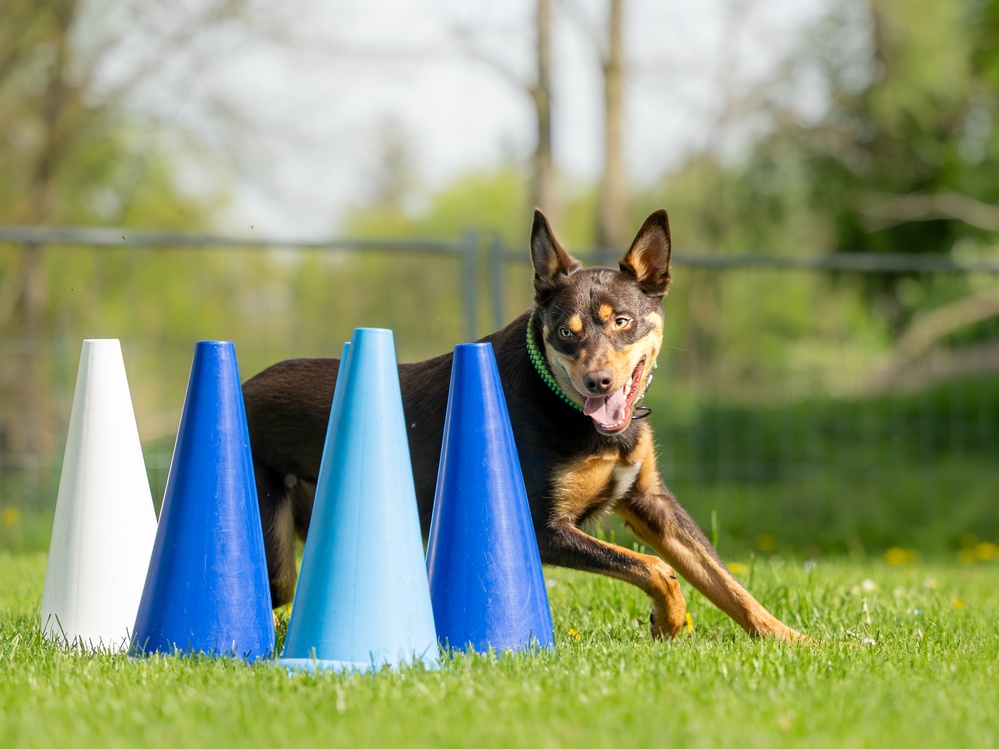
Why Pain and Mobility Problems Show Up as Behavior Problems

Dogs cannot tell you when something hurts, so they show you instead. A dog that snaps during handling, refuses to sit on command, or pulls away from touch is not necessarily being stubborn or defiant. They may be in pain. Behavioral issues that seem unrelated to physical health are frequently the body’s way of communicating discomfort, and no amount of repetition-based dog training will resolve them if the underlying physical cause goes unaddressed. Canine research consistently shows that pain, restricted mobility, and neurological dysfunction are among the most underrecognized drivers of difficult behavior in dogs.

Rehabilitation-based dog training works by treating behavior and the body at the same time. Therapeutic exercise, conditioning, and positive reinforcement methods are combined into training programs specifically designed for dogs whose behavior is rooted in physical limitation rather than lack of training. As mobility improves and discomfort decreases, dogs become more focused, more cooperative, and more capable of responding to the cues you give them. Addressing canine behavior through a physical health lens produces the kind of dependable improvements that other training methods often fail to deliver.

Benefits of Rehabilitation-Based Dog Training

How We Build Your Dog’s Individualized Training Program

A Thorough Veterinary Evaluation Tailored To Your Dog

Your dog’s individualized training program starts with a comprehensive 90-minute veterinary evaluation conducted by Dr. LeFave. This appointment covers medical history, orthopedic and neurological examination, gait analysis, pain assessment, and a detailed review of the behavioral issues you are seeing at home.

Every finding from this evaluation directly shapes the training and rehabilitation approach that follows. You will leave with a clear picture of your dog’s physical condition and a defined set of goals to work toward.

How Your Dog’s Rehabilitation And Training Plan Comes Together

Once the evaluation is complete, the team builds a fully individualized training program that integrates rehabilitation therapy, therapeutic exercise, and structured behavior training techniques. Private sessions are planned around your dog’s specific diagnosis, physical capabilities, and behavioral goals, not a standard template.

The pace of the program is set to support steady recovery without overloading your dog at any stage. Every training method and rehabilitation technique included in the plan is chosen deliberately, with your dog’s long-term progress in mind.

Active Rehabilitation Training With Accredited Trainers By Your Dog’s Side

Individual sessions put the plan into practice through hands-on rehabilitation work paired with targeted conditioning and behavior training. Accredited trainers and certified rehabilitation staff guide your dog through each stage, using positive reinforcement methods to reward effort and build confidence alongside physical strength.

Training techniques are introduced progressively so your dog develops new skills as their comfort and mobility improve. Proper handling is taught throughout, so you feel prepared to support your dog’s progress every day.

Keeping Progress Going With A Personalized Home Exercise Program

Recovery and behavior change do not stop when your dog leaves the clinic. You will receive a personalized home exercise program complete with instructional videos that reinforce the work covered during private classes and individual sessions.

Guidance on proper handling, activity adjustments, and daily routines gives you the tools to maintain and build on the gains your dog is making. Dogs whose owners stay engaged with the home program consistently show faster and more dependable improvements.

Continued Care That Supports Lasting Obedience Results And Mobility

Follow-up appointments are a built-in part of every training program, not an afterthought. Dr. LeFave and the team use these visits to track your dog’s physical progress and behavioral changes, refining the program as needed based on how your dog is responding.

New challenges are addressed as they come up, and training techniques are adjusted to match your dog’s evolving capabilities. This layer of continued care is what turns short-term gains into lasting obedience results and long-term mobility.

Why Choose Us

What makes PetMotion Veterinary Rehabilitation Centers stand out is the integration of veterinary medicine and rehabilitation science into every training program. Dr. Megan LeFave, DVM, CCRT, cVMA, founded the practice with a clear mission: to help pets live pain-free, active lives through individualized care. That mission extends directly to dog training, because when a dog’s body is properly supported, their ability to learn and thrive improves in ways that traditional training alone simply cannot achieve. The team’s credentials in canine rehabilitation and medical acupuncture give them a uniquely informed perspective on why dogs behave the way they do.

Every dog who comes through the doors receives personalized training built on a real understanding of their physical and behavioral needs. The team stays current with canine research and uses only evidence-based training methods that are kind, effective, and appropriate for each dog’s condition. The approach is always thoughtful, individualized, and grounded in veterinary expertise, whether your dog is a reactive dog working through pain-driven anxiety or a sport dog pursuing peak conditioning. If you want your dog to genuinely feel better and function better, this is where that kind of care happens.

When Conventional Methods Fall Short, This Is the Dog Training in Nampa That Delivers!

Rehabilitation-based dog training is one of the most complete investments you can make in your dog’s health, happiness, and quality of life. At PetMotion Veterinary Rehabilitation Centers, Dr. Megan LeFave and her team are ready to help your canine companion move better, feel better, and behave better through a program designed specifically for them. Get in touch with us at 208-960-0609 or visit 609 N Midland Blvd, Nampa, ID 83651 to schedule your first appointment. Your dog training in Nampa starts with a team that truly understands your dog from the inside out.

Request Appointment

FAQs

How is rehabilitation-based dog training different from regular training?

Rehabilitation-based dog training addresses both the physical and behavioral dimensions of your dog’s well-being, rather than focusing on commands alone. Many behavior problems, including reactivity, restlessness, and difficulty following cues, are rooted in pain or physical dysfunction that standard training methods do not address. By combining therapeutic exercise, conditioning, and positive reinforcement methods, rehabilitation-based training produces more complete and lasting results. It is especially valuable for dogs recovering from injury or surgery, managing chronic conditions, or showing behavior problems that have not responded to conventional training techniques.

What kinds of dogs benefit most from this approach?

Rehabilitation-based dog training is beneficial for a wide range of dogs, including post-surgical patients, seniors managing arthritis or neurological conditions, reactive dogs whose behavior is driven by pain or discomfort, and sport or working dogs pursuing peak conditioning. Even healthy dogs with no known medical issues can benefit from the structured exercise and confidence building that comes with individualized rehabilitation training. Dogs of all ages, breeds, and fitness levels are welcome, and the program is always tailored to where your dog is right now.

Will my dog need to be cleared medically before starting training programs?

Yes, because rehabilitation-based training is rooted in veterinary care, it begins with a comprehensive medical evaluation. This ensures that the training program is appropriate for your dog’s current physical condition and that no underlying issues are missed or worsened by exercise. Dogs are typically required to be current on their rabies vaccinations and other core vaccines before beginning any in-clinic program. The initial consultation with Dr. LeFave covers everything needed to build a safe, effective plan.

How long does it take to see results from individual sessions?

The timeline varies depending on your dog’s condition, the complexity of their behavioral issues, and how consistently the home program is followed between individual sessions. Some dogs show noticeable changes in comfort and behavior within just a few appointments, while others managing chronic pain or recovering from surgery progress more gradually over several weeks or months. Your team will set realistic expectations from the start and adjust the program based on how your dog is responding. Regular follow-up helps ensure progress stays on track.

Can behavior modification and physical rehabilitation really work together?

Absolutely. Behavior modification techniques work best when a dog is physically comfortable enough to focus, learn, and respond to cues. As rehabilitation reduces pain and improves mobility, dogs become more receptive to training and more capable of the movements and interactions that training requires. The connection between canine behavior and physical health is well-supported by canine research, and treating the whole dog consistently produces the most dependable improvements.